
Can Private Investigators Carry Guns?
By David Schassler, licensed New York private investigator. . Updated
Only if state law allows it and they hold the right permit. A private investigator license is not a gun license, and the core work, like surveillance, records research and interviews, does not call for a gun.
See more Shleuth in Google by making us a preferred source
TV detectives often carry a gun. Real private investigators mostly carry a camera, a notebook and a laptop. Still, it is a fair question, especially for clients worried about safety. The rules generally work like this, and these are the questions to ask.
A License to Investigate Is Not a License to Carry
States license private investigators to gather facts for clients. That license does not, by itself, give anyone the right to carry a firearm. Carrying a gun is controlled by separate laws. An investigator who wants to carry has to meet those laws like anyone else, and sometimes extra rules on top.
How States Handle Armed Investigators
The rules differ a lot from state to state. In Florida, a licensed private investigator who carries a firearm must also hold a separate Class G license. On duty she may carry no more than two firearms, and only the type and caliber she qualified with (Florida Statutes 493.6115). In California, a licensee may not carry or use a firearm without completing a firearms training course and holding a valid firearms qualification card (Business and Professions Code 7542).
Because the rules change across state lines, an investigator who can carry in one state may not be able to in the next. If your case crosses state lines, ask how the investigator handles that.
What About Former Police Officers?
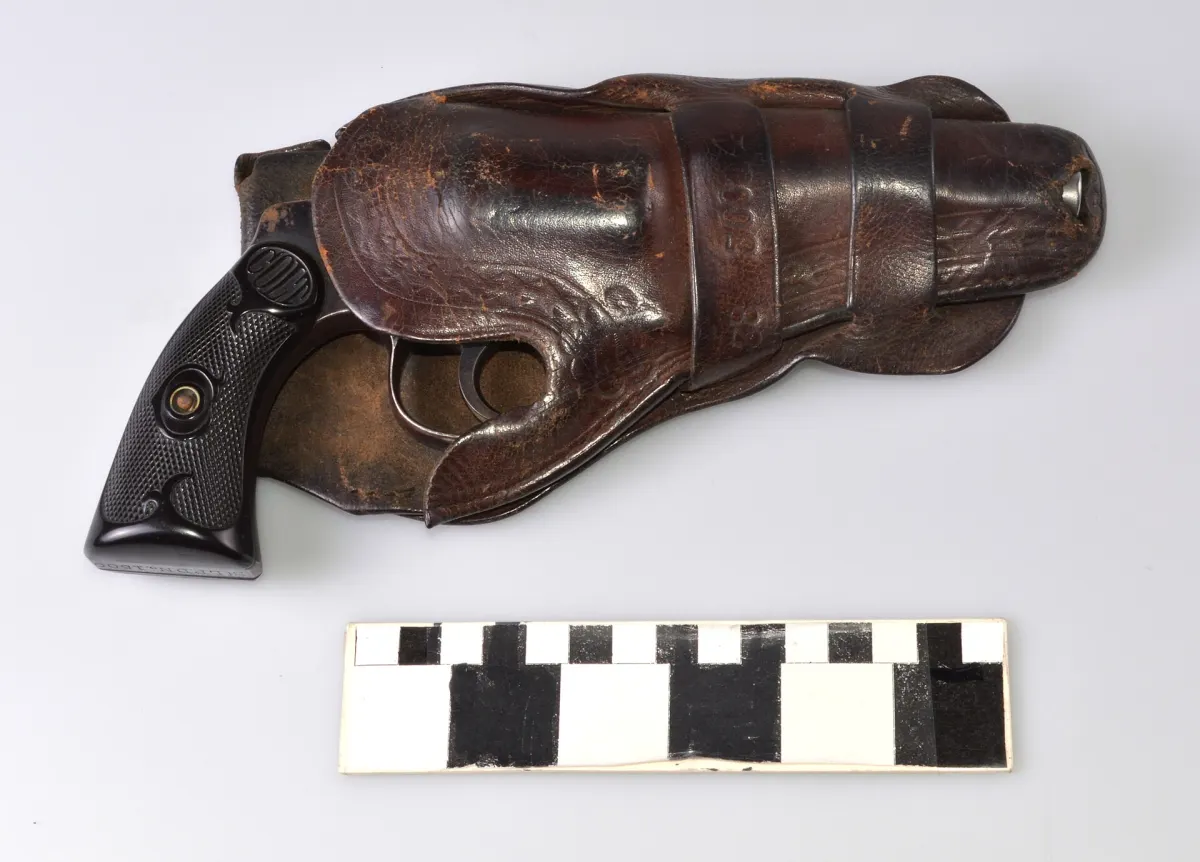
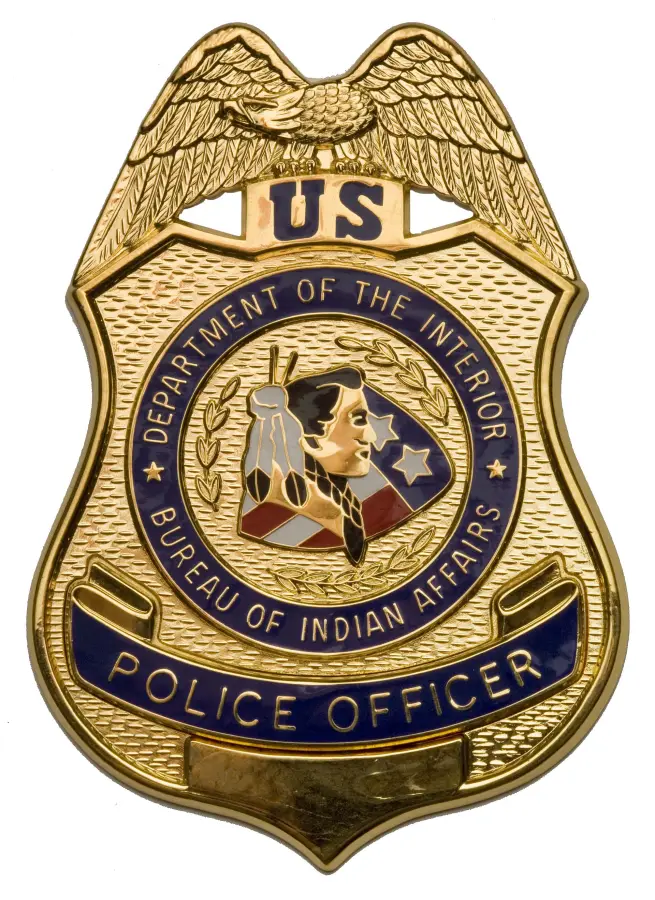
Many investigators served in law enforcement first. A federal law called the Law Enforcement Officers Safety Act lets some qualified current and retired officers carry across state lines if they meet its terms. To count as a qualified retired officer, a person generally must have served 10 years or more in total, and must have met the firearms standards for active officers within the most recent 12 months (18 U.S.C. 926C). That right comes from their police service, not from a private investigator license. It also comes with conditions, and it does not make a private investigator a police officer again.
Why Most Investigators Work Unarmed
Most private investigation is quiet work. The duties the U.S. Bureau of Labor Statistics lists are interviews, records searches, surveillance, report writing and sharing results with clients (BLS). None of that calls for a weapon. A good investigator avoids confrontation. If a situation turns dangerous, she backs off and calls the police.
What a Typical Case Looks Like
Picture a common case. A parent wants to know if the other parent is following a custody order. The investigator studies the order, plans where to park and when to watch, and spends a few days in a car with a camera. She notes times, places and who was there. Then she writes a report the lawyer can use.
Nothing in that work calls for a gun. The same is true for an insurance claim, a background check on a business partner or a search for a lost relative. The tools that matter are patience, a good camera, access to records and clear writing. When you compare agencies, ask about those skills first.
Common Myths About Armed Investigators
- Myth. An armed investigator can protect evidence by force. In fact, she has no more right to use force than any other person.
- Myth. Carrying makes surveillance safer. Often it adds risk if the investigator is spotted.
- Myth. A gun means more experience. Experience shows in reports, court time and years of casework, not in a holster.
When Clients Ask for Armed Help
Some clients need protection, not investigation. If you fear for your safety, an armed guard or executive protection service may be the right fit. Those are often licensed differently than investigators. Many agencies offer both, or can refer you. If you are in danger right now, call 911.
If you are leaving an abusive relationship, a local domestic violence program can help with a safety plan. An investigator can help document facts, but she is not a bodyguard unless she is licensed and hired for that.
Questions to Ask the Agency
- Do your investigators carry on cases like mine, and why?
- What permits do they hold, and in which states?
- What happens if a situation turns unsafe?
- Do you offer protection services, or do you refer them out?
A clear answer tells you the agency has thought about safety. Then check the license with the state, as you would for any hire.
Finding the Right Fit
For most cases, the best investigator is the one with the right experience, a clean license and a clear plan, armed or not. You can explore woman owned agencies by the services they list, or browse by state. Our hiring guide covers the questions to ask on the first call.
Fast Answers
Does a private investigator license let you carry a gun?
No. A private investigator license covers investigative work. Carrying a firearm is controlled by separate state laws and permits.
Do most private investigators carry guns?
There is no national count. The duties the U.S. Bureau of Labor Statistics lists, such as surveillance, records research and interviews, do not call for a weapon.
Can a retired police officer who is now a PI carry a gun?
Possibly, under the federal Law Enforcement Officers Safety Act, if they meet its conditions. That right comes from police service, not from the PI license.
Should I hire an armed investigator for my safety?
If you need protection, ask about a licensed guard or protection service. If you are in danger now, call 911.
Primary Sources
- Florida Statutes 493.6115, weapons and firearms
- California Business and Professions Code 7542, firearms
- 18 U.S.C. 926C, carrying of concealed firearms by qualified retired law enforcement officers
- U.S. Bureau of Labor Statistics, Private Detectives and Investigators
All sources were read in October 2026. This is general information, not legal advice.